

The Resistance Kitchen has developed “10 Pledges for Croydon” that we believe will positively support our community. We are asking all candidates standing in the upcoming Croydon local elections to commit to these pledges.
We will publish all responses as they are received, enabling our community to make an informed decision on 7th May.
If you are a candidate who has not yet received our pledge form, please download it here. Once completed, kindly return it to info@resistancekitchen.uk.
Thank you.

10 Pledges for Croydon – Candidates form
If you have problems filling the form in the Word doc, you can just submit the answers using a simple text file:

Ten Pledges for Croydon
The Resistance Kitchen is a community kitchen and food bank serving those in need in Croydon. Over the past three years, the number of people turning to us for support has tripled – a stark and unacceptable reflection of the growing hardship in our borough. Every day, we see the reality of deprivation up close: families struggling to put food on the table, individuals pushed to the brink, and a community being failed by decisions made at both national and local levels.
This is our call to action for Croydon – ten essential pledges we urge every candidate standing for mayor and council to commit to. Our community deserves leadership that will stand up, take responsibility, and deliver real change.
We will publish all responses as they are received, so residents can make a truly informed choice when they vote on May 7th.
Resistance Kitchen.
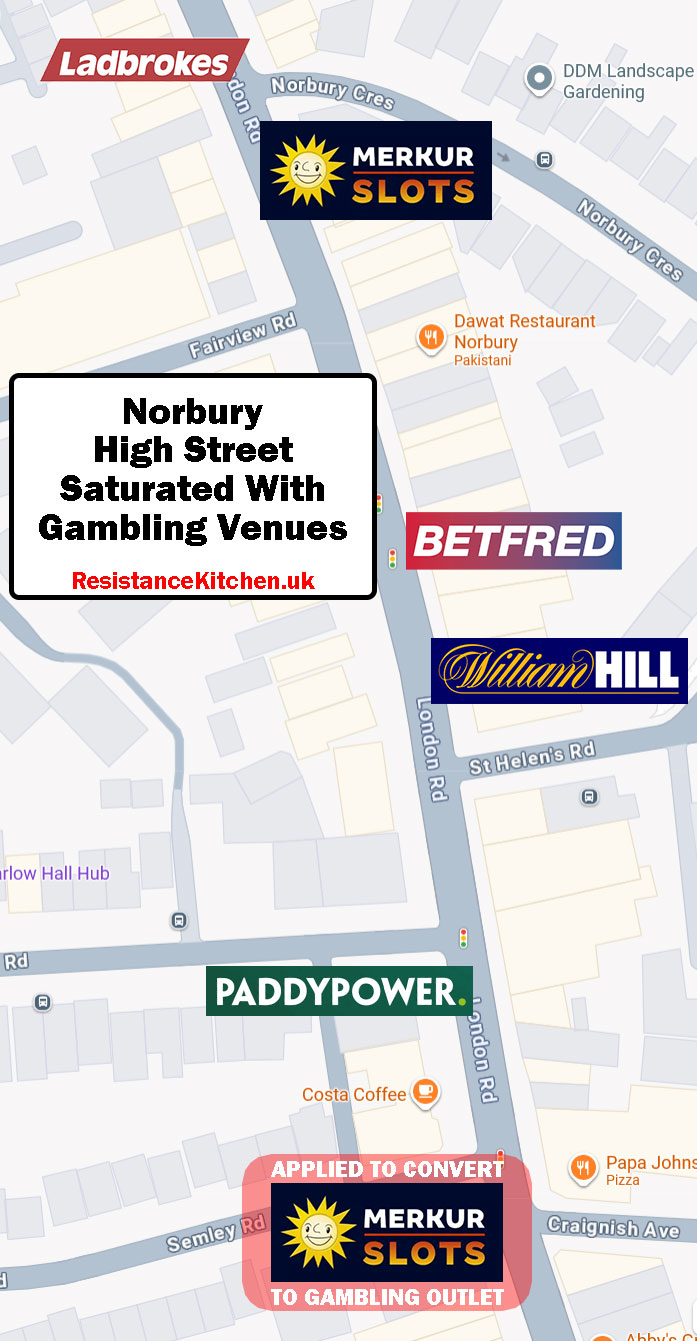
Pledge 1 : No New Gambling Venues
I will oppose any new gambling venue, including the proposed licence on Norbury High Street, and support a borough-wide moratorium on all new and renewed gambling licences in Croydon.
|
Pledge 2 : Divest from the Arms Trade
I will advocate for the council to divest its pension fund investments from all arms companies.
|
Pledge 3 : Divest from Companies Complicit in the Occupation of Palestine
I will support divesting the council’s pension fund from companies involved in the occupation and human rights violations in Palestine.
|

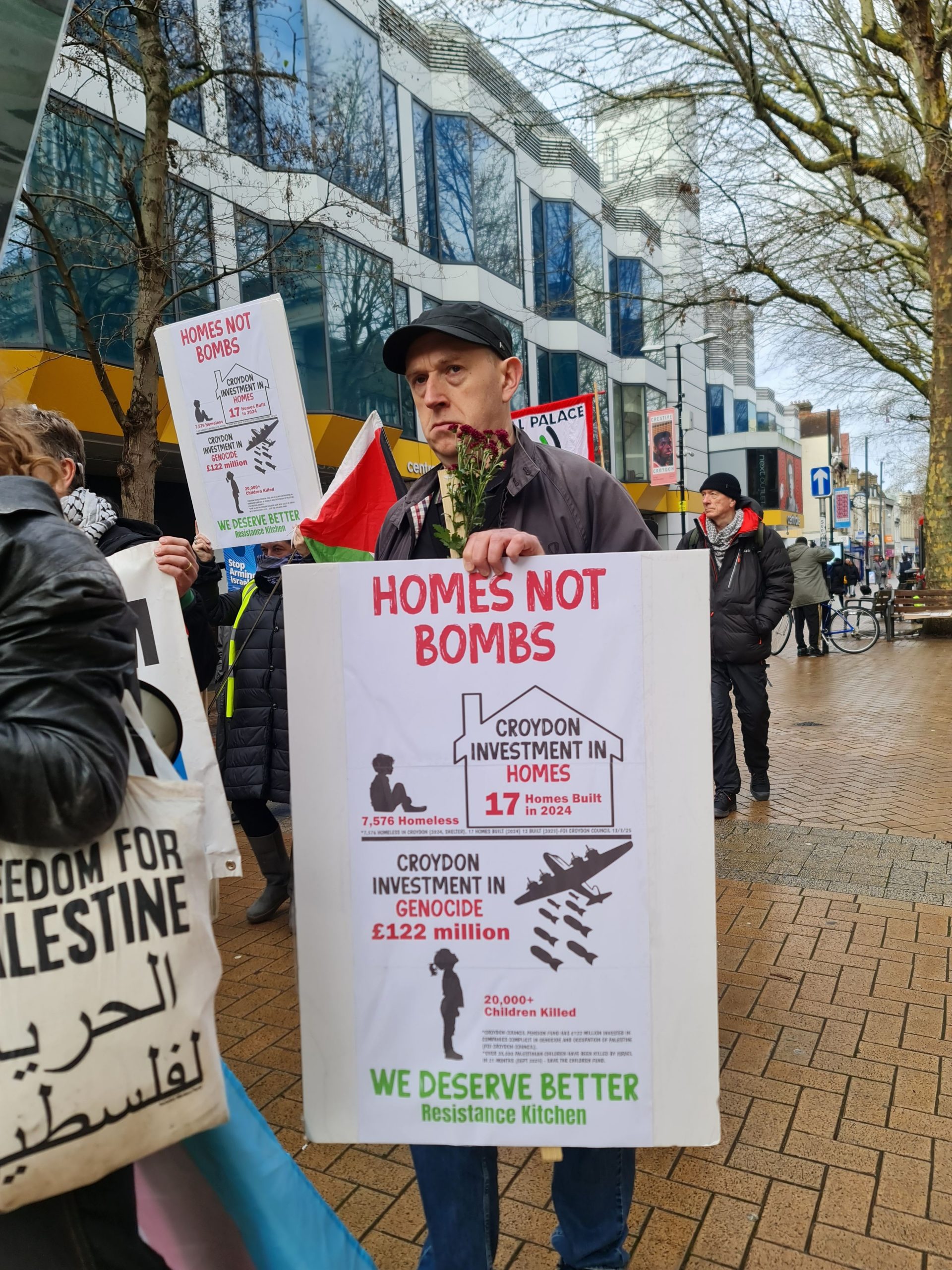
Pledge 4 : Invest in Social Housing
I will push for a significant portion of the council’s pension fund to be invested in social housing within Croydon.
|
Pledge 5 : Introduce Rent Controls
I will urge the council to lobby for powers to regulate private rents and support the creation of a Croydon Rent Commission.
|

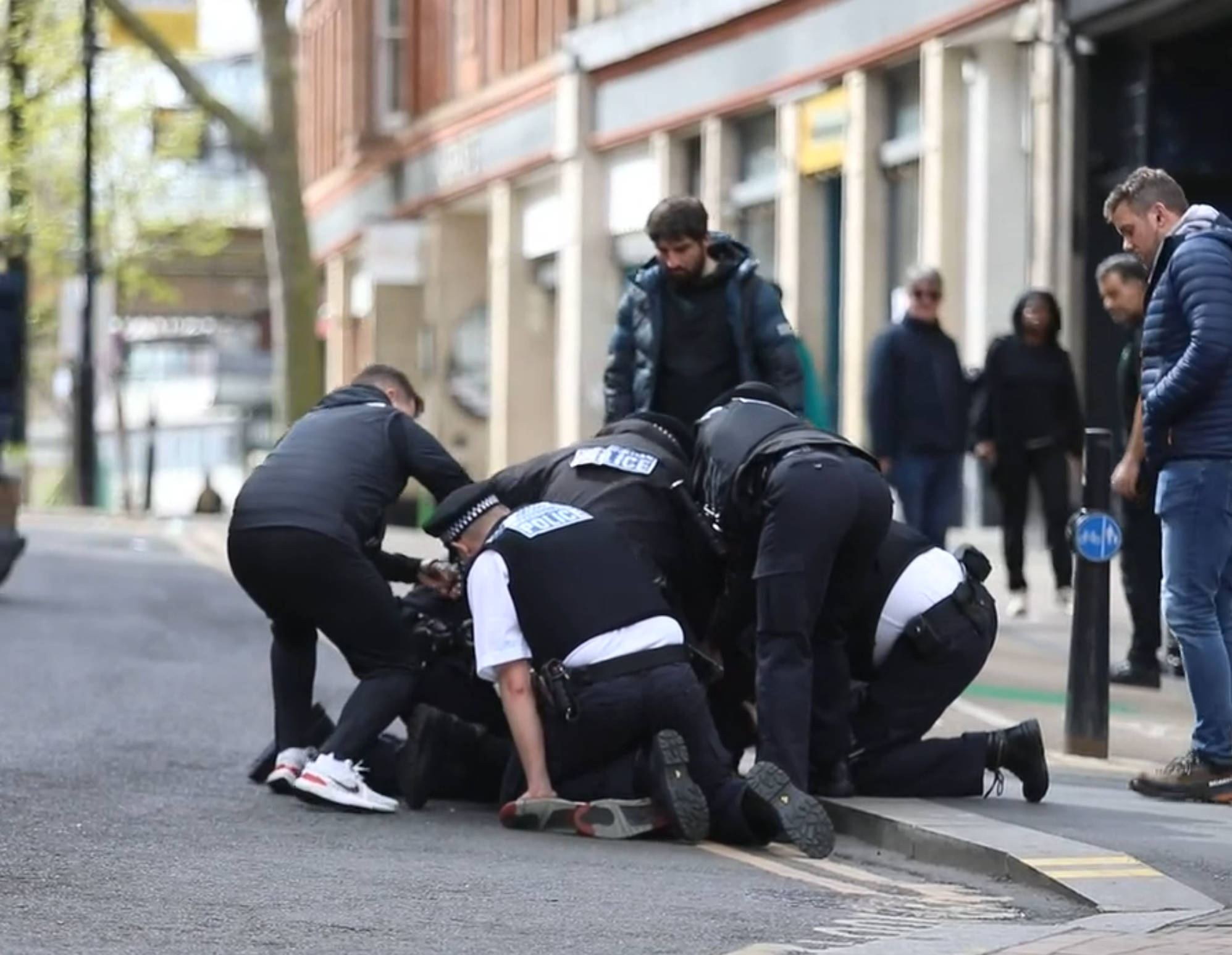
Pledge 6 : End Live Facial Recognition Surveillance
I will support ending the use of live facial recognition surveillance by police in Croydon.
|

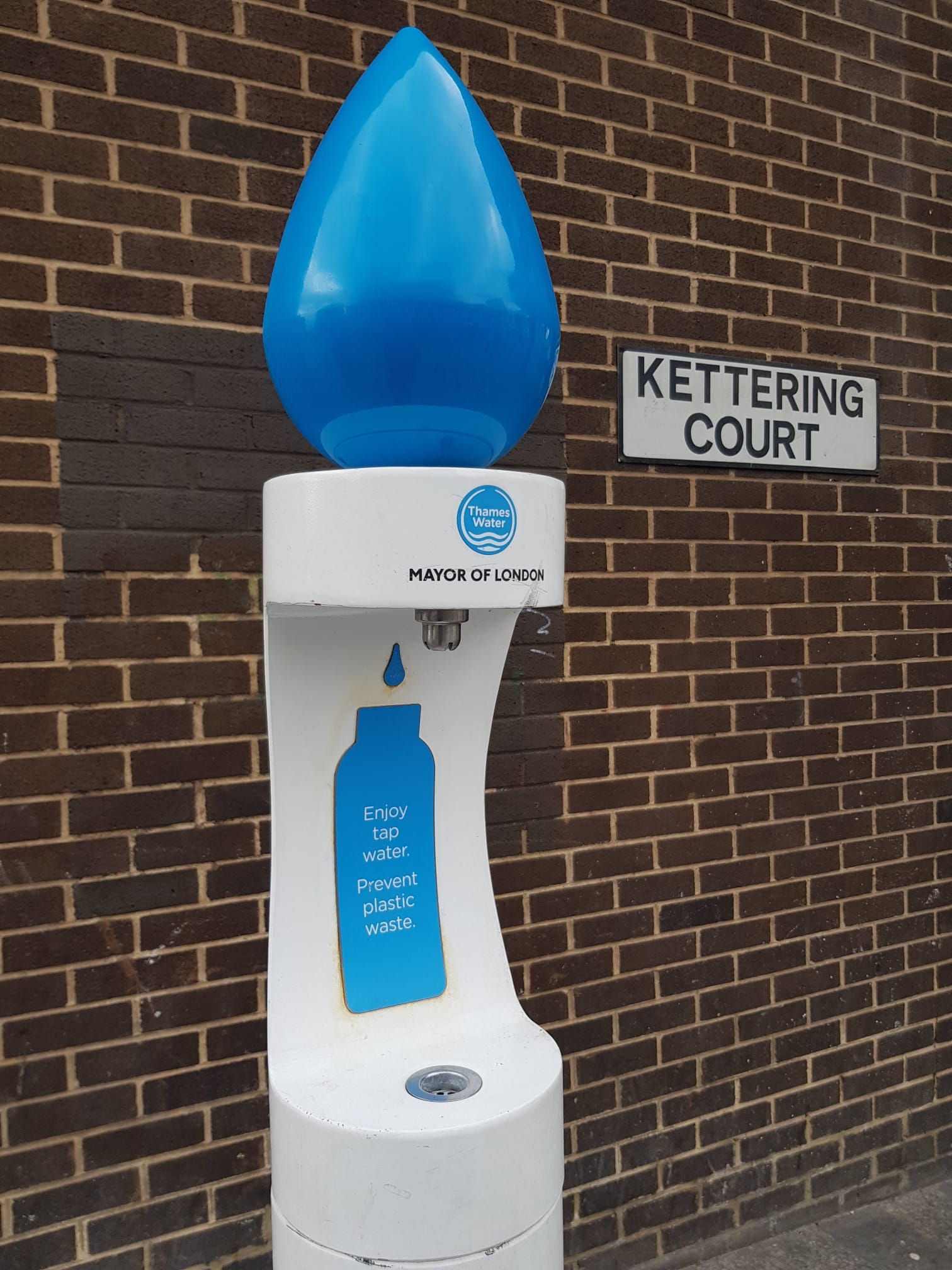
Pledge 7 : Expand Free Drinking Water Access
I will push the council to install more free public drinking fountains across Croydon, aiming for at least 125 to match the London borough average.
|
Pledge 8 : Increase Public Toilets
I will campaign for the installation of more free public toilets, with a minimum target of 40 facilities across Croydon.
|
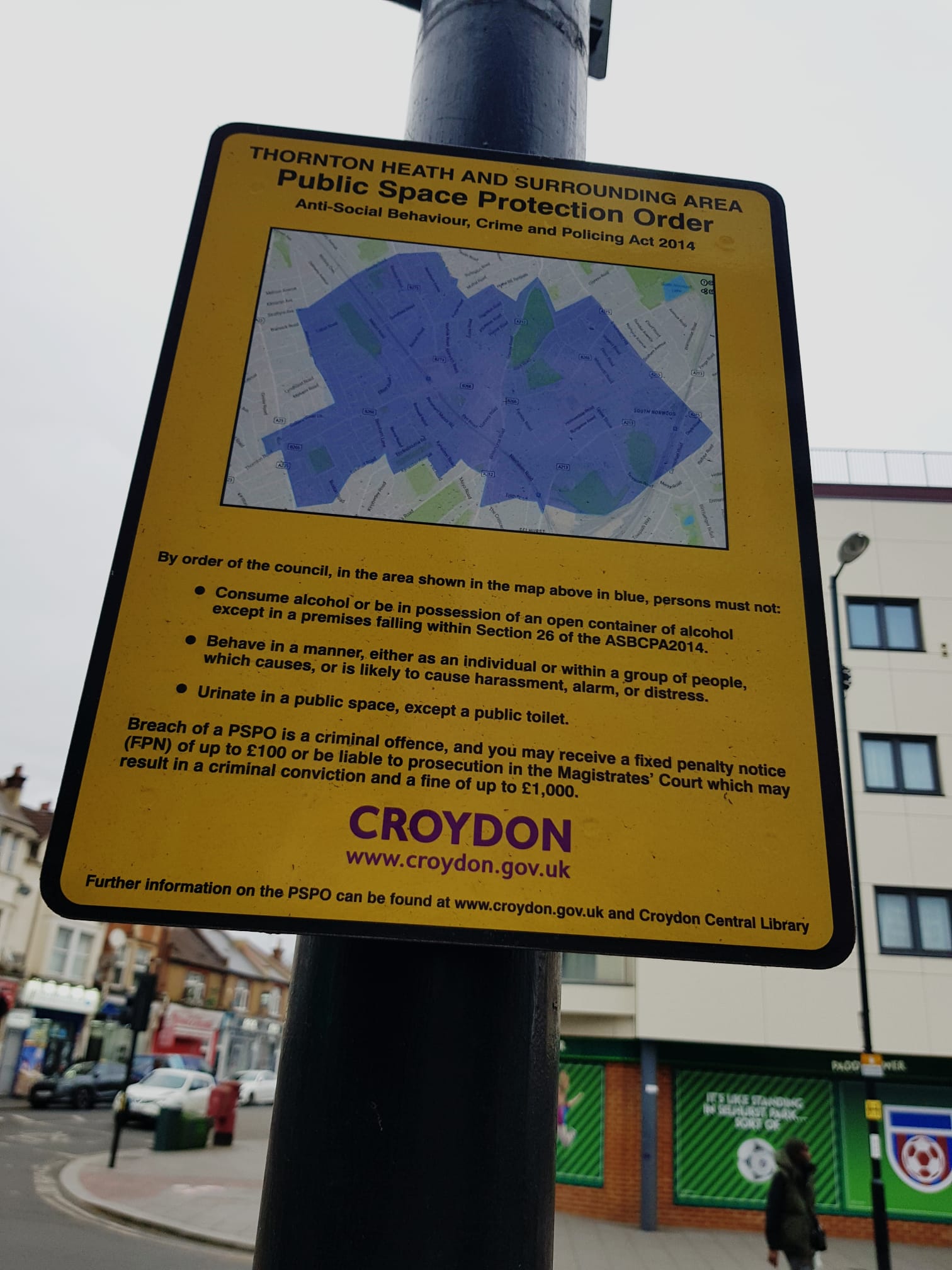
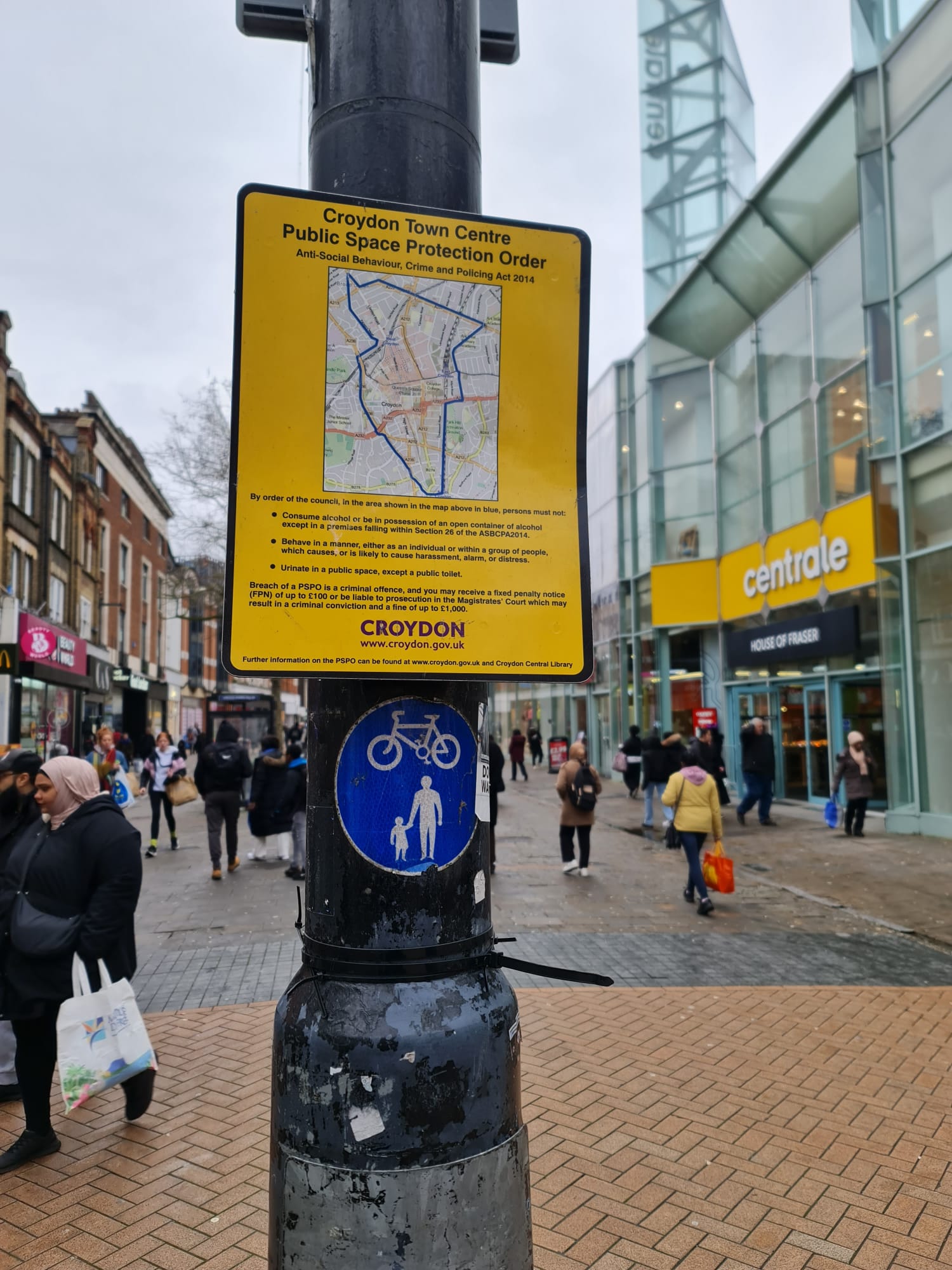
Pledge 9 : Abolish PSPOs
I will support the immediate repeal of all Public Space Protection Orders in Croydon.
|
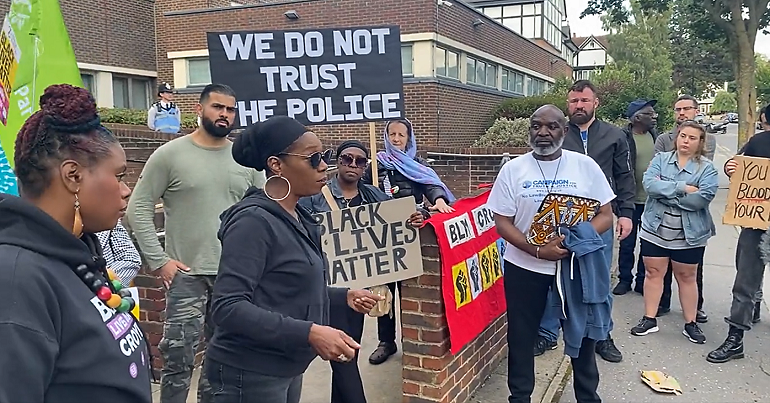
Pledge 10 : Strengthen Police Accountability
I will work to ensure the police are accountable to the community and challenge practices, such as stop and search, that disproportionately affect marginalised groups.
|
Update
The 10 Pledges for Croydon is now live – already 74 candidates across five political parties have backed all 10 pledges. Every ward in Croydon has candidates who support them. Read the pledges, see who has signed, and hold your candidates to account.
Signatures – 10 Pledges For Croydon
Other Interesting Posts:
 10 Pledges for Croydon gains widespread backing ahead of local elections
 Signatures – 10 Pledges For Croydon
 Croydon Council Suppresses Public Scrutiny Of Investment in Elbit Systems
 Croydon Demands Council Divest From Genocide
 Croydon Divest – Protest Pension Committee Head
 Protest Croydon Labour Party Fundraiser
 Help Send 1000 Letters – Croydon Council Divest From Genocide
 Croydon Divest Coalition Challenges Council Over Genocide Investment
 Croydon Divest – Letter To Council
 Community Demands Police Stop Facial Recognition Surveillance
 Met’s Lead On Facial Recognition – Insightful Exchange
 Stop Police Facial Recognition Surveillance